Commercial Framing in Wilmington, NC
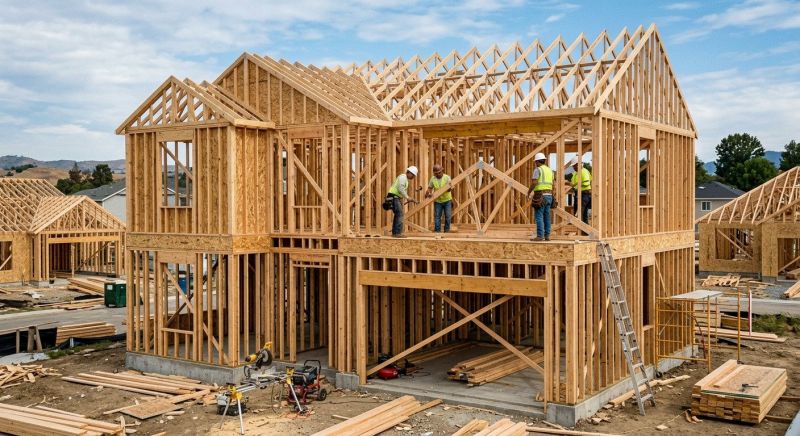
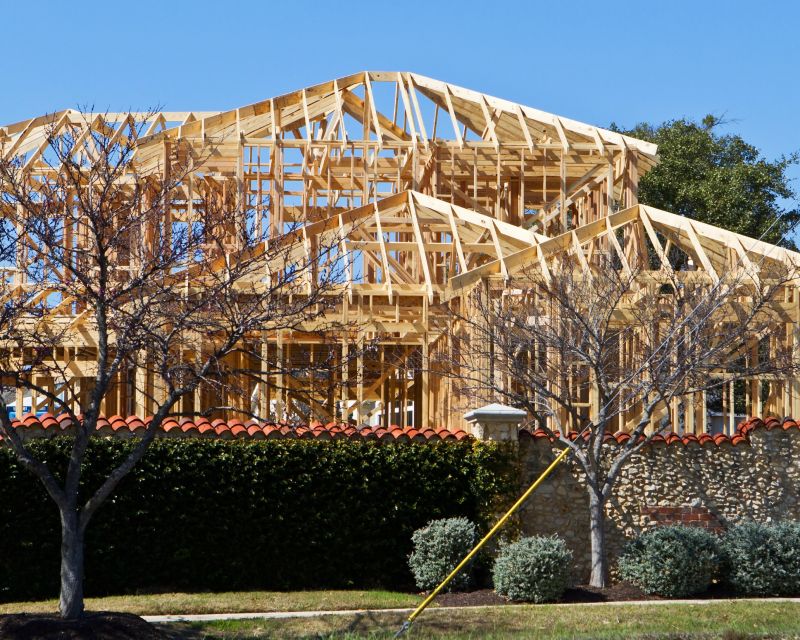
Commercial framing services involve the construction and installation of the structural framework that supports various types of commercial buildings, such as retail stores, office spaces, warehouses, and industrial facilities. This process includes creating the skeleton of the building using materials like wood or metal studs, ensuring the structure is properly aligned and capable of supporting walls, ceilings, and other architectural elements. Property owners often request framing services to establish a solid foundation for new construction projects or to modify existing structures, providing a secure framework for interior and exterior finishes.
Before requesting commercial framing services, property owners typically want to understand the scope of the project, including the size and design of the building, as well as any specific structural requirements. It’s important to consider factors such as local building codes, load-bearing needs, and timelines for completion. Clarifying these details can help ensure that the framing process aligns with the overall construction plan and meets safety standards. Proper planning and communication can support a smooth and efficient project from start to finish.
Many property owners in Wilmington, NC look into Commercial Framing for repairs, replacements, upgrades, and appearance-related improvements.
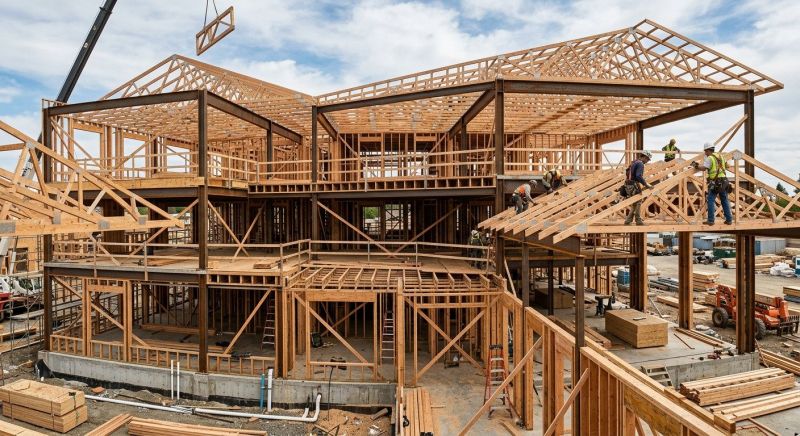
Commercial Framing Solutions
Providing sturdy and precise framing for retail spaces, offices, and warehouses in wilmington, nc.
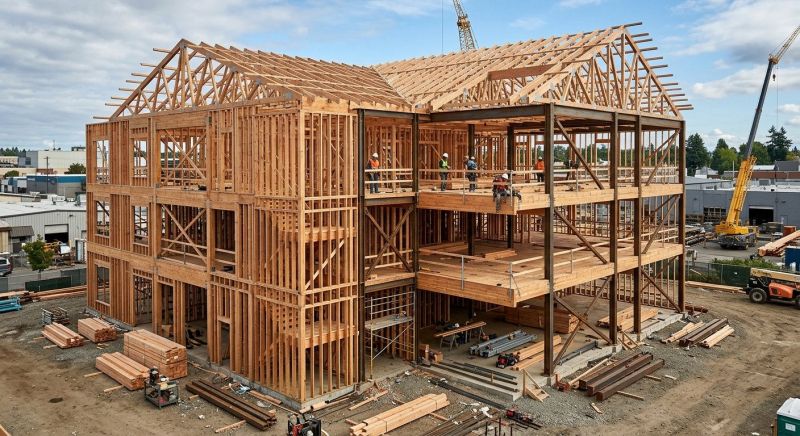
Custom Building Frameworks
Designing and constructing framing structures tailored to the specific needs of commercial properties.
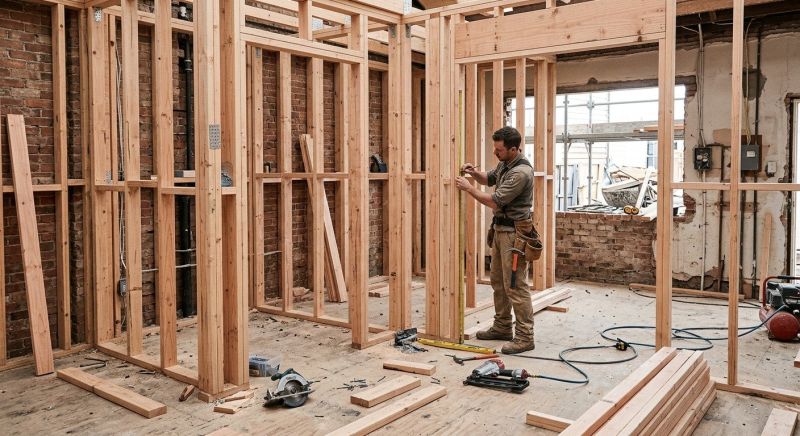
Renovation And Expansion Support
Enhancing existing commercial buildings through reliable framing for renovations and expansions in wilmington, nc.
Commercial Framing in Wilmington, NC
Commercial framing services involve the construction and installation of the structural framework that supports various types of commercial buildings, such as retail stores, office spaces, warehouses, and industrial facilities. This process includes creating the skeleton of the building using materials like wood or metal studs, ensuring the structure is properly aligned and capable of supporting walls, ceilings, and other architectural elements. Property owners often request framing services to establish a solid foundation for new construction projects or to modify existing structures, providing a secure framework for interior and exterior finishes.
Before requesting commercial framing services, property owners typically want to understand the scope of the project, including the size and design of the building, as well as any specific structural requirements. It’s important to consider factors such as local building codes, load-bearing needs, and timelines for completion. Clarifying these details can help ensure that the framing process aligns with the overall construction plan and meets safety standards. Proper planning and communication can support a smooth and efficient project from start to finish.
Many property owners in Wilmington, NC look into Commercial Framing for repairs, replacements, upgrades, and appearance-related improvements.
Common Commercial Framing Jobs
Commercial framing - involves constructing the structural framework for retail, office, or industrial buildings.
Interior framing - includes installing walls, partitions, and ceilings inside commercial spaces.
Exterior framing - provides the support structure for building facades and external walls.
Steel framing - offers a durable and strong option for large commercial projects.
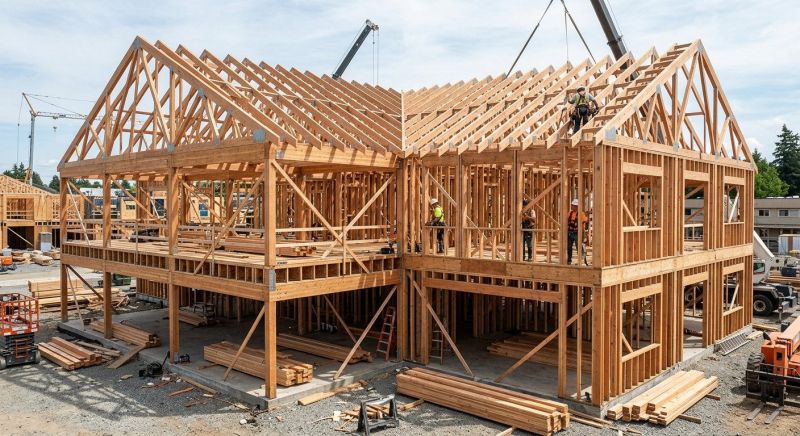
Wood framing - commonly used for smaller commercial buildings and interior partitions.
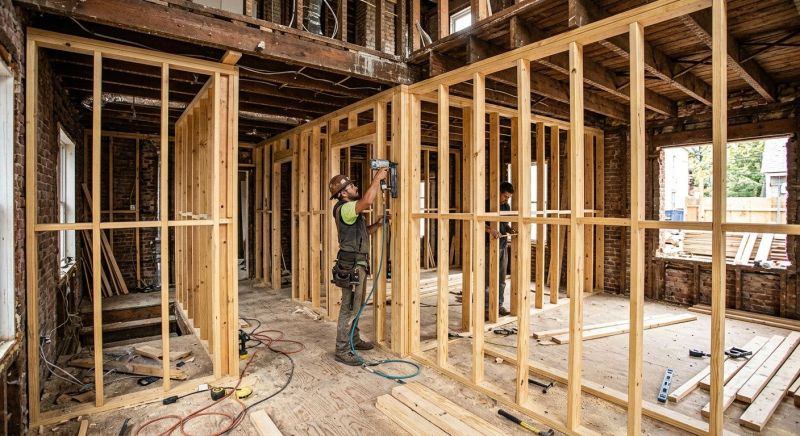
Renovation framing - updates or modifies existing structures to meet new design or code requirements.
Commercial Framing Questions
What types of projects require commercial framing services? Commercial framing is typically used for constructing walls, partitions, and structural elements in new buildings or renovations of office spaces, retail stores, warehouses, and other commercial properties.
How does commercial framing differ from residential framing? Commercial framing often involves larger structures, heavier materials, and different building codes, focusing on durability and load-bearing capacity suited for commercial use.
What materials are commonly used in commercial framing? Steel, engineered wood, and heavy-duty wood studs are frequently used to ensure strength and longevity in commercial structures.
What should property owners consider when planning commercial framing projects? It's important to assess the building’s design requirements, load specifications, and adherence to local building codes for a successful framing process.
Request Commercial Framing in Wilmington, NC
Use the quote form on this page to share the basics of your project and request more information for the type of work you need.